

Engineering brief · Updated August 2026
Your Code Is Disposable.
Get Used to It.
As AI takes over more of the building, code becomes a replaceable expression of the work around it. That is good news.

The argument in 30 seconds
Code is the expression.
The record is the asset.
01 Software has always been rewritten. It only felt permanent because replacing it was expensive.
02 As AI becomes the developer, our conversation with it becomes part of the build.
03 Specs, decisions, task ledgers, lessons, tests, logs, commits, graphs, and tool-generated evidence become the durable record.
04 When regeneration gets cheap and reliable, disposable code lets us improve the product faster.
01 · The thing we make
Code was never the whole thing.
People get attached to what they make. That attachment is not foolish. It is one of the reasons craft exists.
For a long time, code was the part of software we could touch. We wrote it, reviewed it, argued about it, and carried it from one release to the next. The product lived inside the implementation, so the implementation felt like the product.
But software changes. A study of 3.3 billion code-element lifetimes across 89 repositories found a median lifespan of about 2.4 years for a line of code. That is not a failure of craft. It is the normal condition of a living system.
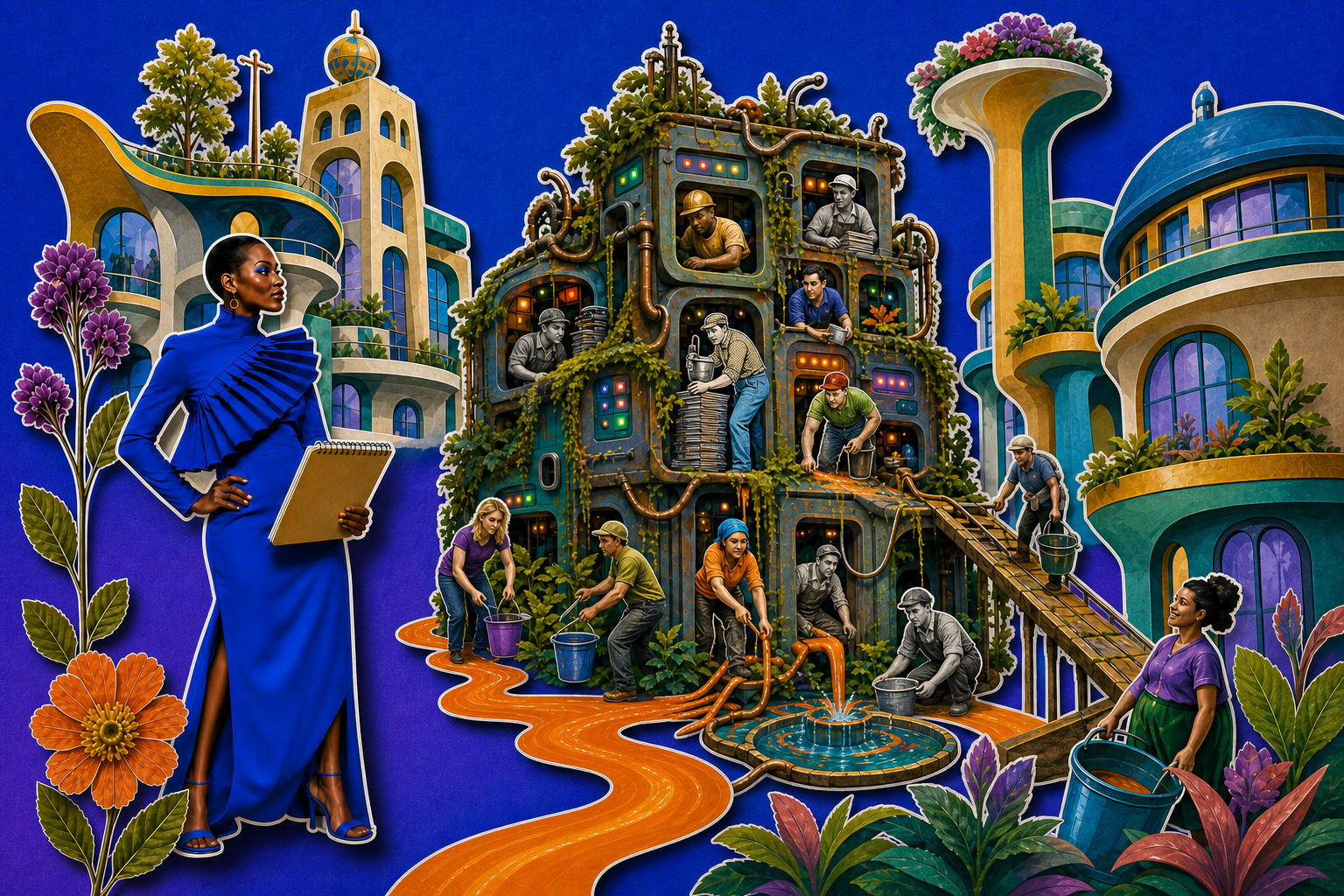
From attachment springs grief, from attachment springs fear.
For one who is wholly free from attachment there is no grief, whence then fear.— Dhammapada 214
02 · The new developer
The developer becomes a conversation.
As AI starts becoming the developer, the work shifts. We spend less time typing every implementation and more time telling a system what matters, what must not change, and how we will know it worked.
That conversation is not only a prompt. It is the PRD, the specification, the decision log, the task ledger, the lessons learned, the tests, the run output, the Git commits, the graphs, and the countless tools that produce artifacts of every imaginable kind.
03 · The primary artifact
The code becomes an expression.
This does not make code meaningless. It makes code legible as the result of a larger process.
A good implementation expresses the decisions, constraints, tests, and tradeoffs that produced it. A bad implementation can hide the absence of those things. When the record is thin, AI can generate a polished answer to an unclear question. It will be fast. It will also be wrong in ways that are difficult to see.
The durable asset is not a folder of files. It is the connected record that lets a person—or another AI system—understand what the product is trying to do and remake it without guessing.

04 · Industrial Inference
Regeneration becomes the point.
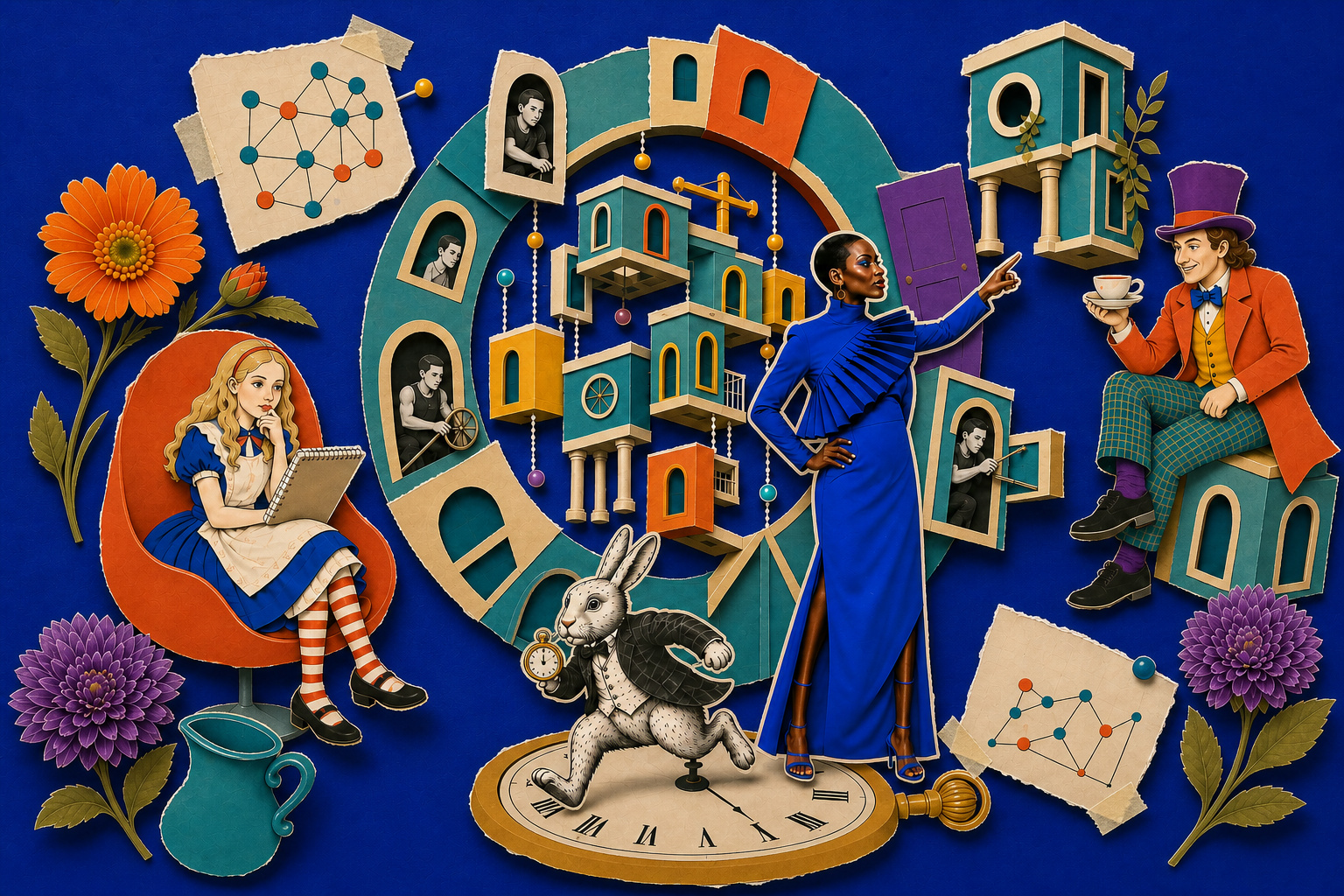
Industrial Inference is the promise that generative systems will not merely autocomplete code. They will turn a durable body of intent and evidence into a working product, then help remake it when the product needs to change.
That promise is ahead of today’s reality. Current systems still need supervision, repair, and judgment. But the direction matters. If a system can rebuild a feature in hours instead of months, the question changes from “How do we protect this code?” to “What would make the next version better?”
Keep the product.
Replace the expression.That is disposability at its best.
05 · The emotional turn
You will love retiring it.
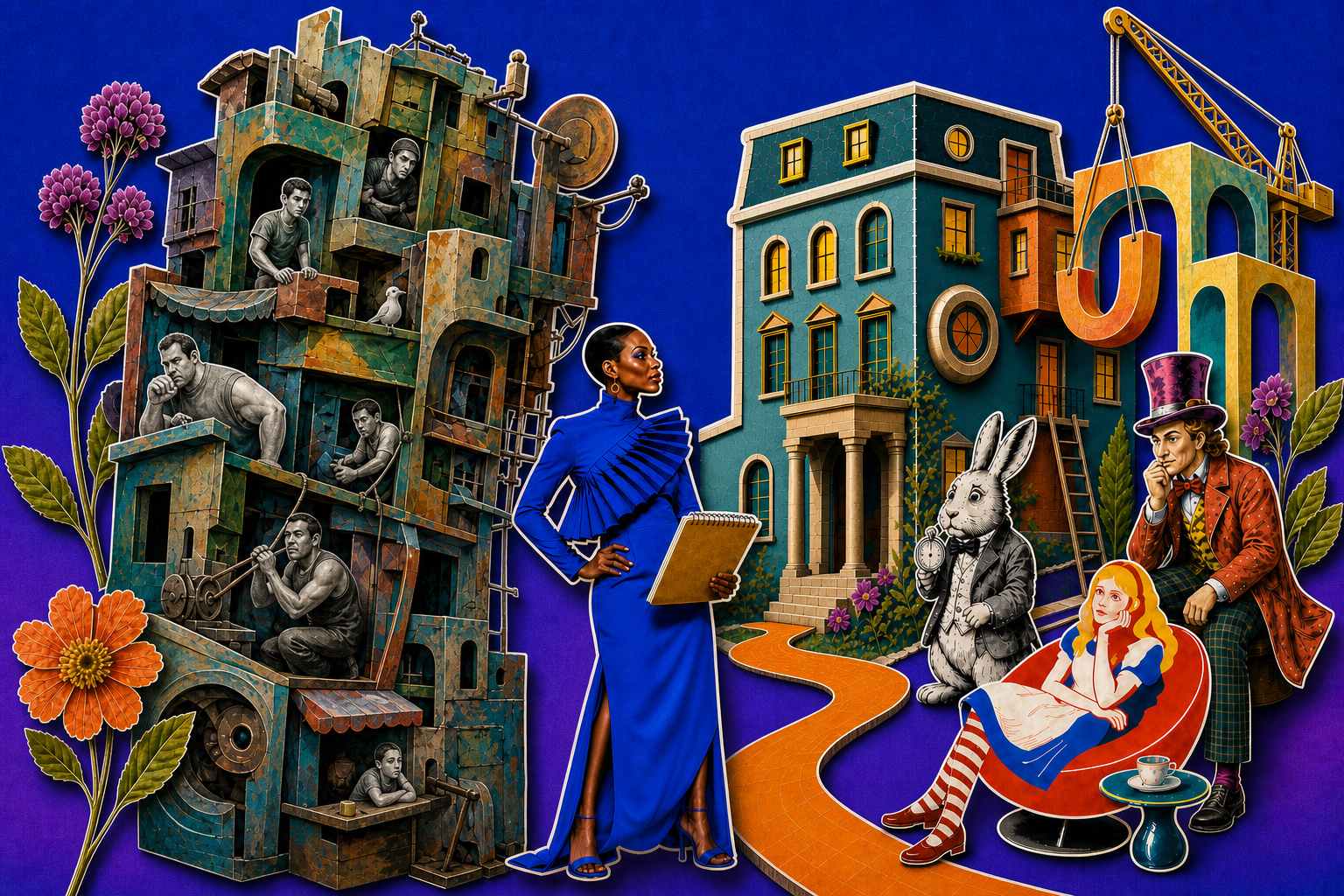
Not because the work was worthless. Because the work taught you what the product needed to become.
We are used to valuing the thing we made. As we do less of the making by hand, we may become less interested in the code itself and more interested in the finished product—and in our ability to remake it.
That is a healthier relationship with implementation. A disposable expression can be replaced without losing the understanding that made it useful.
06 · The part that stays human
This is not the end of creativity.
AI is good at producing probable answers. Creativity does not live in the most probable answer.
A person still has to point the system somewhere worth going. Someone has to choose the problem, reject the obvious solution, set the tone, notice the contradiction, and recognize the version that feels alive.
The human role moves upstream. We shape the direction. AI explores the implementation space. We decide what deserves to survive.
“Which version are we keeping?”


07 · The practical test
What should survive the rewrite?
Keep the things that let the product be understood and improved:
- The problem — Who is this for, and what must get better?
- The decisions — What did we choose, and what did we rule out?
- The proof — What tests, evidence, and operating signals make the claim believable?
- The product — What do people actually need to experience?
Let the implementation be the part that can change.
Build what matters next
Bring us the next version.
We’ll help make it dependable.
Bring the product, the constraints, and the evidence. Sarolta helps teams turn intent into dependable software.