Autonomous Software Engineering
AI is industrialized inference. Getting trustworthy outcomes from it is a process-engineering problem — not a model-capability one. We build the process, the factory that runs it, and the evidence that proves it.
Dark factory is a manufacturing term for a lights-out operation that can run with no humans on the floor. The Sarolta Dark Factory borrows the autonomy, not the opacity: every worker, gate, handoff, decision, and sign-off is logged, reviewable, and auditable, so it can run dark without becoming a black box.
An LLM doesn’t think.
It runs inference — it predicts the words most likely to come next.
A probabilistic answer machine, not a mind.
And like every machine before it, it takes over work that used to need a person or an animal.
| Human or animal | The machine | What it unlocked |
|---|---|---|
| Horses | The engine | Cars, planes, ships, pumps, power tools |
| Calculation by hand | The computer | Spreadsheets, the internet, games, simulations |
| Clerks and ledgers | The database | Search, banking, logistics — every app with a login |
| Answering and drafting | Inference (Gen AI) | Answers in seconds. Code. |
Every one of those set off an explosion of new uses.
We’re in that explosion now with AI — same story, new engine.
The first engine on wheels was the steam locomotive: huge power requirements, highly inefficient and only ran on a track.
That’s about where we are.
The raw ability is here. We’re still learning how to make the most of it— and the rails are the process. But unlike 17th century industrialists, we have a better understanding of technology to do more with.
With coding, Generative AI writes a solution — plausible, maybe right, maybe quietly wrong.
Carries out a review and remediation loop — similar to one an engineer would use when coding:
| Step | Human Process | AutomaTED AI Development |
|---|---|---|
| ASK | Think the problem through; decide what to actually ask | Capture that thinking as context and a prompt |
| Check the answer | Read it, run it, look for what's wrong | Automated review and tests on every answer |
| Check the question | Realize you asked the wrong thing; reframe | Routing flags it and re-prompts on its own |
| Decide | Accept it, or send it back | Scored against the spec — accepted, or returned |
That’s the trade: wrong more often, but fast and cheap — so you generate many answers, check every one, and keep what passes.
Speed isn’t judgment, though. It still takes a person to build the process and decide what “good” means.
Reliable code is more than a model problem — it’s a process engineering problem.
It takes a system around the model to make sure what comes out is what was required: rough output in, then steps, tests, and quality control turn it into exactly what we specified — a raw stone in, a cut gem out.
Every step in that system stands in for a decision a person would make. The process is human judgment, rebuilt as machinery.
An LLM doesn’t think.
It runs inference — it predicts the words most likely to come next.
A probabilistic answer machine, not a mind.
And like every machine before it, it takes over work that used to need a person or an animal.
| Human or animal | The machine | What it unlocked |
|---|---|---|
| Horses | The engine | Cars, planes, ships, pumps, power tools |
| Calculation by hand | The computer | Spreadsheets, the internet, games, simulations |
| Clerks and ledgers | The database | Search, banking, logistics — every app with a login |
| Answering and drafting | Inference (Gen AI) | Answers in seconds. Code. |
Every one of those set off an explosion of new uses.
We’re in that explosion now with AI — same story, new engine.
The first engine on wheels was the steam locomotive: huge power requirements, highly inefficient and only ran on a track.
That’s about where we are.
The raw ability is here. We’re still learning how to make the most of it— and the rails are the process. But unlike 17th century industrialists, we have a better understanding of technology to do more with.
With coding, Generative AI writes a solution — plausible, maybe right, maybe quietly wrong.
Carries out a review and remediation loop — similar to one an engineer would use when coding:
| Step | Human Process | AutomaTED AI Development |
|---|---|---|
| ASK | Think the problem through; decide what to actually ask | Capture that thinking as context and a prompt |
| Check the answer | Read it, run it, look for what's wrong | Automated review and tests on every answer |
| Check the question | Realize you asked the wrong thing; reframe | Routing flags it and re-prompts on its own |
| Decide | Accept it, or send it back | Scored against the spec — accepted, or returned |
That’s the trade: wrong more often, but fast and cheap — so you generate many answers, check every one, and keep what passes.
Speed isn’t judgment, though. It still takes a person to build the process and decide what “good” means.
Reliable code is more than a model problem — it’s a process engineering problem.
It takes a system around the model to make sure what comes out is what was required: rough output in, then steps, tests, and quality control turn it into exactly what we specified — a raw stone in, a cut gem out.
Every step in that system stands in for a decision a person would make. The process is human judgment, rebuilt as machinery.
What our pipelines deliver:
PRD Coverage
Every item verified, tested, passed against spec. Low defects in practice — remaining gaps trace to the spec, not the build.
Configurable Phases
PRD analysis through user acceptance. Each one a mandatory gate.
Pipeline runtime
Multiple pipelines works overnight. With intelligent monitoring, escalation logic and self healing.
Developer throughput
Developers go from manually handling a single task to managing their own team of agents.
The intelligence in this pipeline isn’t only in the models — it’s in the structure. A neurosymbolic system: probabilistic AI generates, deterministic gates verify.
Every stage enforces a hard constraint. No output advances until it passes. No exception is made for time pressure or confidence scores.
Every agent begins with a machine-readable specification. Scope, inputs, outputs, failure modes — all defined before a single test is written. The spec is the contract.
Every output is reviewed by an independent model with no knowledge of the implementing agent's intent. Only the spec and the output. Disagreement triggers escalation.
Mathematical pass/fail criteria — coverage thresholds, type safety, boundary tests. LLM confidence scores are not accepted as evidence of correctness. Evidence required.
Built for a purpose
Lorem ipsum dolor sit amet, consectetur adipiscing elit. Ut elit tellus, luctus nec ullamcorper mattis, pulvinar dapibus leo.
Lorem ipsum dolor sit amet, consectetur adipiscing elit. Ut elit tellus, luctus nec ullamcorper mattis, pulvinar dapibus leo.Lorem ipsum dolor sit amet consectetur adipiscing elit dolor
John Doe
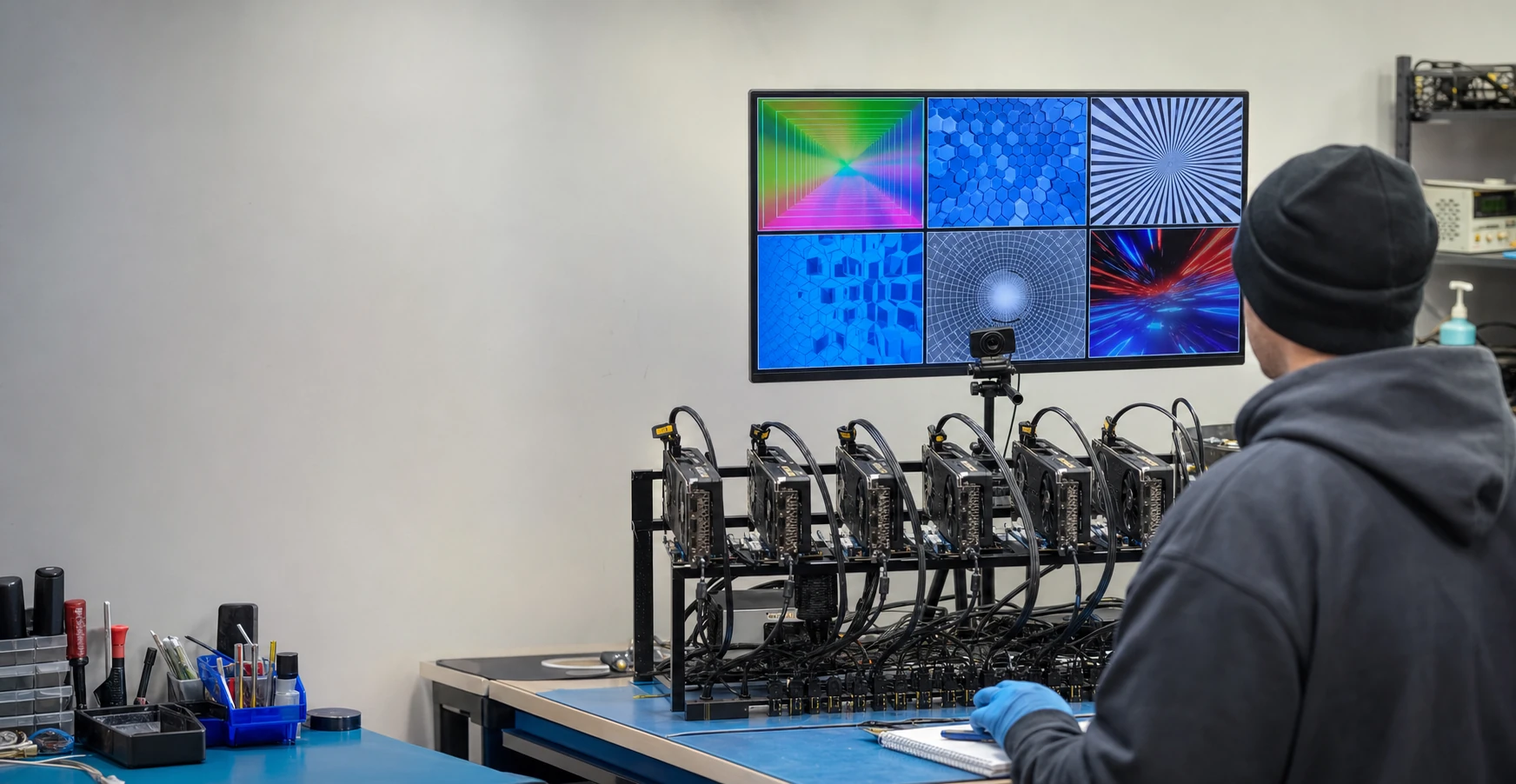
A fully automated TDD pipeline for WordPress and Elementor. Write a spec, get verified implementation. Eight sequential phases — spec review, independent examination, red tests, green implementation, full audit. Each gate requires 100/100.
Works overnight. Ships production code. Runs across 9 LLM providers with automatic fallback — the pipeline never stops.
Turn fragmented notes into structured documents. PRDs, briefs, client reports, research outlines. LazyWriter knows when a section is missing — and flags it before you send.
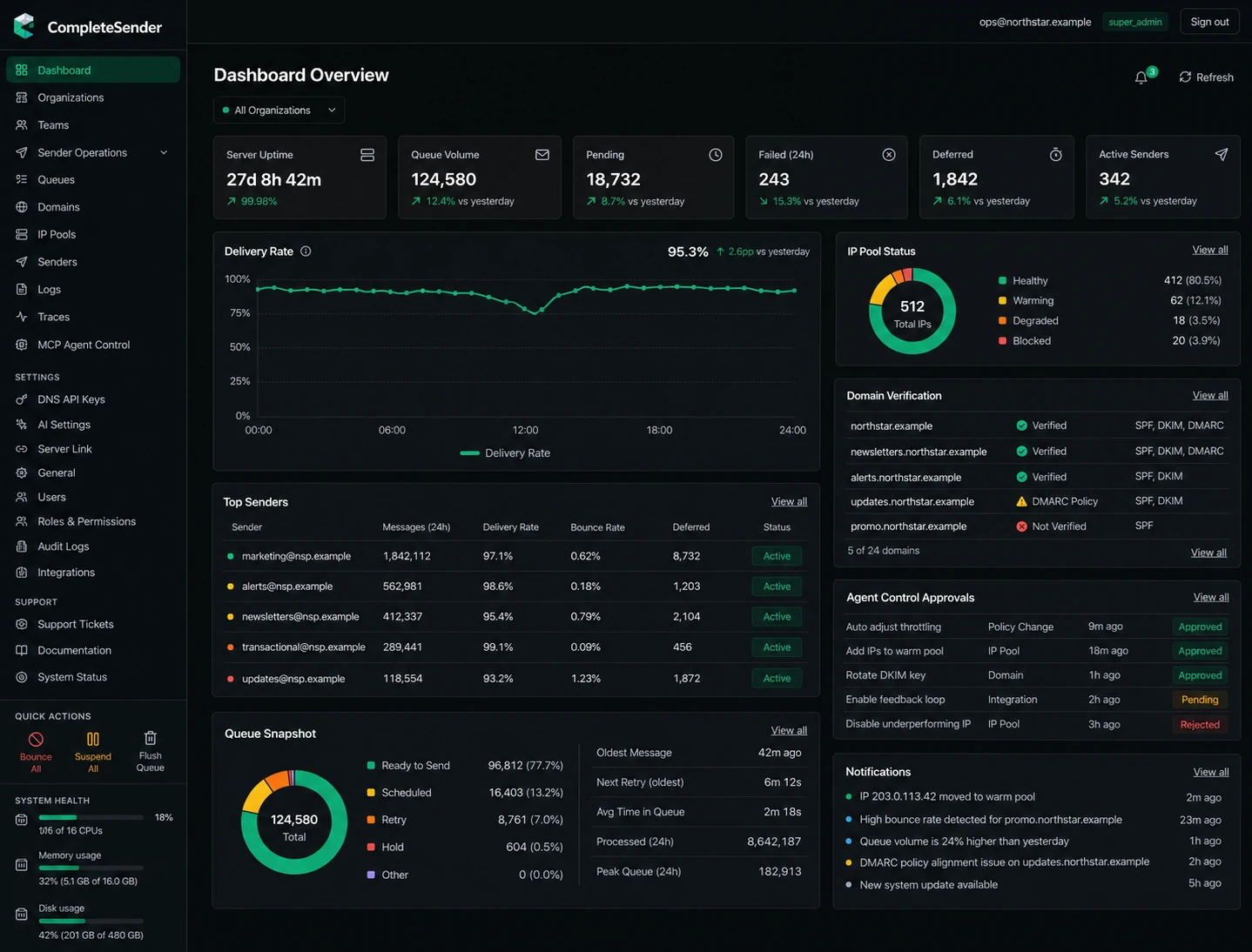
Learn more →Email that makes it to the inbox. Transactional sequences, drip campaigns, deliverability monitoring. Built for teams where a missed send costs real money.
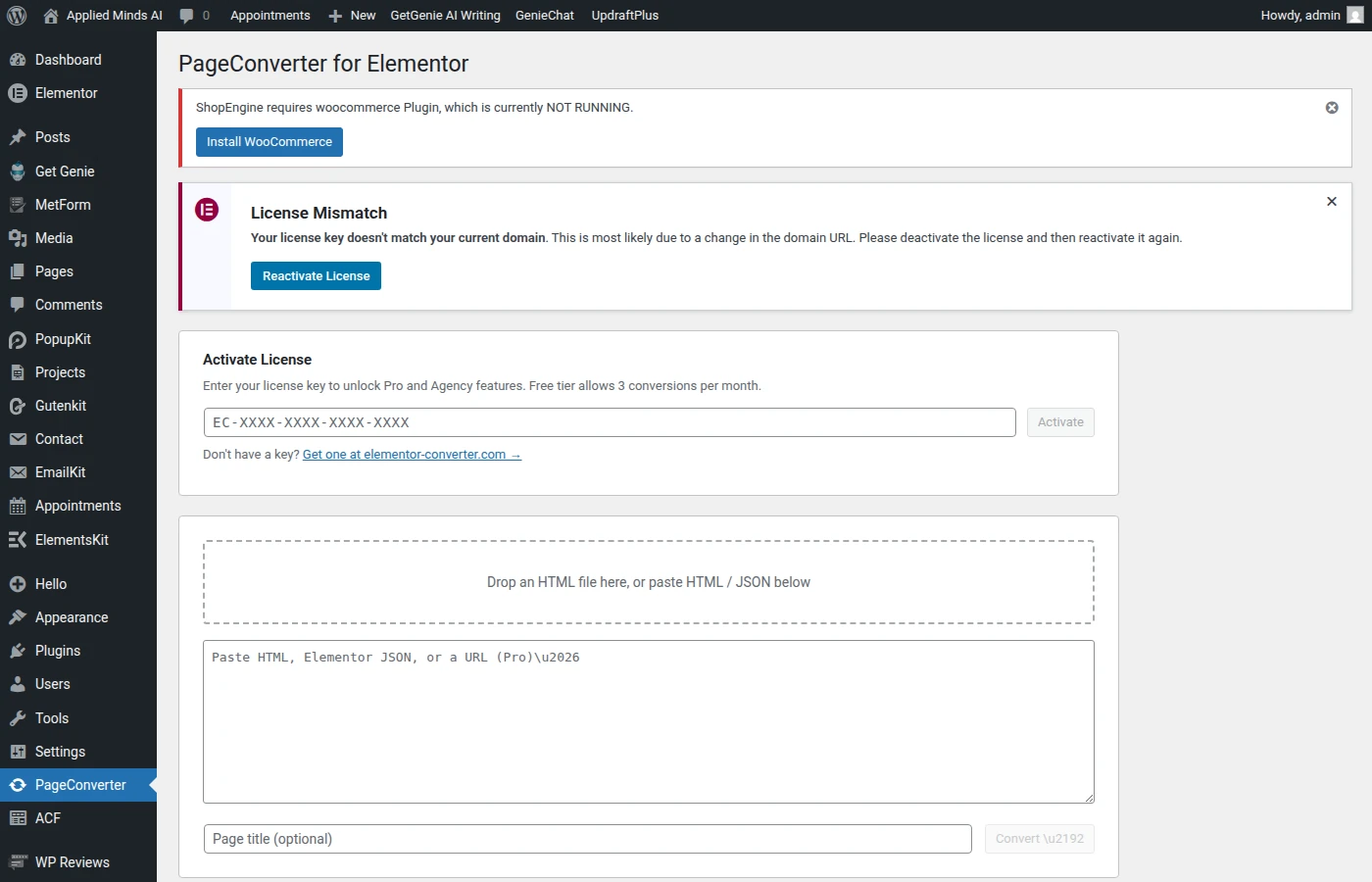
Learn more →Convert any HTML into production Elementor JSON. Semantic mapping, Kit-aware output. WordPress plugin or REST API. How DarkFactory builds pages end-to-end.
Learn more →Full WordPress site from a config file. Theme, pages, content, plugins. RapidLaunch turns a reproducible spec into a live site — without the setup ceremony.
Learn more →Code, documents, research, content — if it needs to be correct and verifiable, the pipeline applies. Talk to us about how it fits your workflow.